Housing and Environment
Your bird's cage should be designed specifically for birds. Cages intended for other animals may contain metals such as lead or zinc, which are highly toxic to birds.
The cage should be large enough for your bird to move freely both horizontally and vertically, structurally sound, free of rust, and appropriate for the size and strength of your bird's species.
Paper is the best cage liner. It is easy to change daily and allows you to monitor droppings for early signs of illness. Corn cob, walnut shell, and other scoopable substrates are not recommended, as they can grow mold when wet and pose a respiratory risk. Pine shavings should never be used.
Cage placement matters. Secure the cage so it cannot be tipped over, and avoid placing it near windows, doors, or vents where drafts and temperature changes occur.
Perching is a natural and necessary behavior. Provide a variety of perch sizes, shapes, and textures placed at different heights. Natural branches from reputable pet stores or untreated trees are excellent options. Terracotta perches and rope perches also make good choices. Sandpaper perches are not recommended, as they can irritate foot pads and may be chewed, exposing birds to glue and abrasive material.
Toys and Enrichment
Mental stimulation is essential for birds and directly impacts their emotional and physical health. Provide a variety of safe, sturdy, non-toxic toys appropriate for your bird's size.
Inspect toys regularly for loose or small parts that could be swallowed. Avoid toys containing lead or zinc and purchase from reputable sources.
Toys should be cleaned routinely. Most toys can be washed with hot water and mild soap and rinsed thoroughly to remove residue.
Cleaning and Sanitation
Cages should be cleaned at least once weekly. Use mild dish soap and warm water to remove droppings and food debris.
If disinfecting, use a solution of one capful of bleach per gallon of water. This must be done in a well-ventilated area and away from your bird. Rinse thoroughly and ensure the cage is completely dry before returning your bird to it.
Food and Water Management
Food should be changed at least once daily and twice daily during warmer months. Remove dropped food from the cage bottom to prevent bacterial growth.
Moist foods such as fruits, vegetables, beans, rice, and pasta should be offered in a separate dish and removed after a few hours.
Fresh water should be available at all times and changed daily. Clean food and water dishes daily with mild soap and water. Do not add supplements or medications to water unless directed by your veterinarian, as this may discourage drinking.
Diet and Nutrition
Seeds alone are not a balanced diet for pet birds. While wild birds may eat seeds, they also consume fruits, vegetables, insects, nectar, and other foods depending on species.
A seed-heavy diet is high in fat and deficient in essential nutrients such as protein and vitamins A and D. Over time, this can lead to liver disease, obesity, poor feather quality, skin disease, and other medical problems.
A healthy diet consists of:
- 60 to 70 percent high-quality pelleted bird food
- 30 to 40 percent fresh foods
- Less than 10 percent of the diet as treats or seeds
We recommend pelleted diets from reputable manufacturers such as Harrison's, Lafeber, or Roudybush.
Fresh foods may include:
- Clean, fresh fruits and vegetables, raw or plainly cooked
- Plain cooked beans
- Plain cooked brown rice
- Plain cooked whole wheat pasta
Never feed avocados, eggplant, chocolate, onions, or foods that are high in fat, salt, or sugar.
Transitioning to a Healthier Diet
Diet changes must be gradual. Birds can be resistant to new foods and some may stop eating if changes occur too quickly.
Birds often learn what is safe to eat by watching other birds eat. If you have more than one bird, this can be helpful during diet transitions.
If your bird does not have another bird to observe, you can model the behavior yourself. Pretending to eat the foods you want your bird to eat often encourages curiosity and acceptance.
To transition to pellets:
- Place your bird's current diet in the usual dish and layer pellets on top
- Add a second dish containing only pellets near a favorite perch
- Gradually reduce the old diet while increasing pellets over time
Monitor closely to ensure your bird is eating throughout the transition. Some birds convert quickly, while others may take months.
Grooming and Physical Care
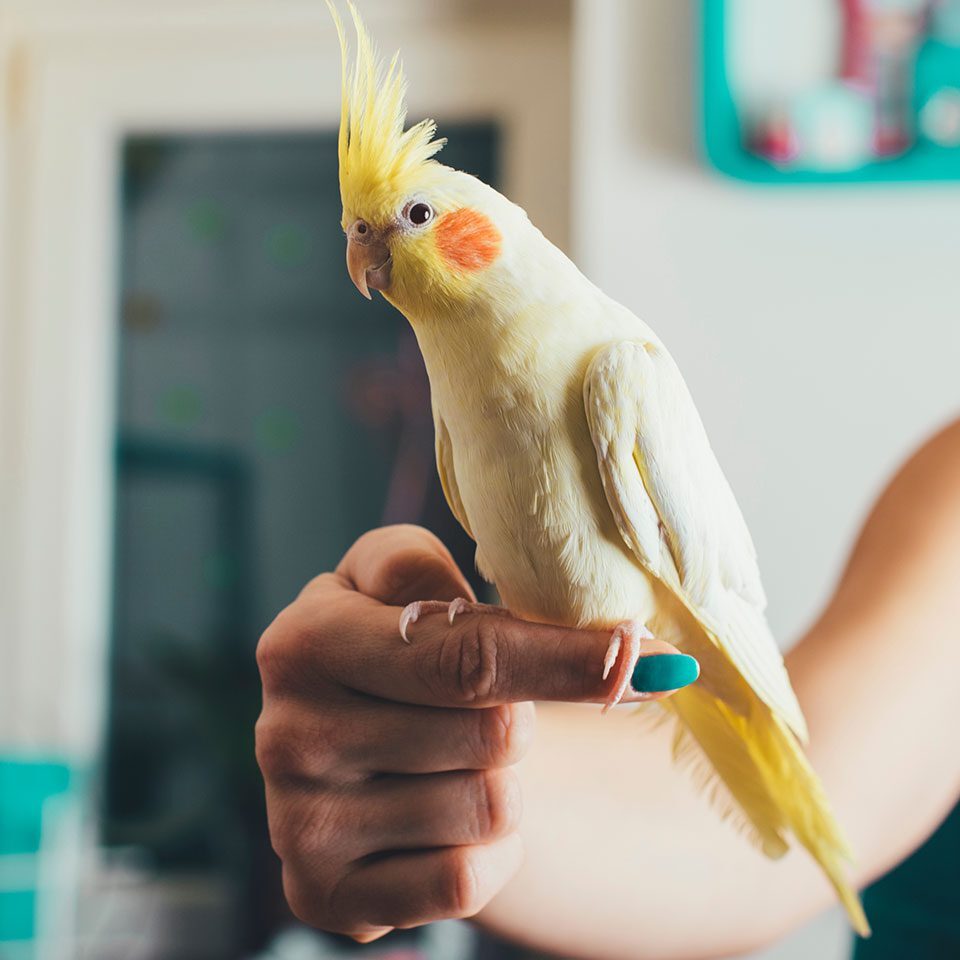
Wing trims, nail trims, and beak trims should only be performed by trained professionals.
Wing trimming is a controversial topic. Some feel birds should remain fully flighted, as flying is natural and provides physical and mental enrichment. Others prefer wing trims because they add an additional layer of safety by reducing the risk of collisions with windows, mirrors, fans, or accidental escape. I leave this decision to owner preference. It is important to understand that fully flighted birds are still at risk for accidents, even in careful homes. A properly clipped bird should be able to glide gently to the ground but not gain significant lift. No wing trim can fully prevent flight, and feathers regrow year-round. A bird that could not fly yesterday may be able to fly today. Wing trims are typically needed after molts, often one to three times per year.
Nail trims are important for birds that are frequently handled and are commonly needed every one to two months.
Most birds do not require routine beak trims. Overgrowth may occur due to trauma, genetics, or underlying medical conditions such as liver disease. Any suspected beak abnormality should be evaluated by a veterinarian.
Keep an eye out for signs of feather destructive behavior, also known as feather picking, which is different than typical grooming.
Blood Feathers
Blood feathers are new, growing feathers with an active blood supply. If broken, they can bleed significantly and often must be removed to stop bleeding. Cornstarch or flour may be used temporarily while arranging veterinary care.
Band Removal
Leg bands that are loose, damaged, or split can pose a serious risk if they catch on objects, potentially causing wounds or fractures.
I often recommend band removal for smaller species such as parrotlets, parakeets, and canaries. Your veterinarian will assess whether removal is appropriate for your bird.
Safety in the Home
Many common household items are toxic to birds. Hazards include tobacco smoke, fumes from overheated nonstick cookware, chemical cleaners, aerosols, scented products, and certain houseplants.
Outside the cage, birds are at risk from electrical cords, medications, toxic foods, stovetops, open toilets, and small household objects. Always supervise birds when they are out of the cage.
If you allow your bird on your shoulder, be aware that jewelry is very attractive to birds. Earrings and necklaces may be damaged or lost, so use caution.
When owning Female birds, it's important to recognize reproductive behaviors and call your vet if needed.
Signs of Illness
Birds are experts at hiding illness. In the wild, birds that appear sick are more likely to be left behind by the flock or targeted by predators. As a result, birds often do not show signs of illness until they are seriously ill.
Weight loss is often one of the earliest indicators of disease. We recommend weighing your bird weekly to ensure stability.
Be familiar with what is normal for your bird, including activity level, droppings, appetite, water intake, and vocalization. Changes should be taken seriously. If signs do not improve within 24 to 48 hours or worsen, schedule an appointment.
Seek immediate veterinary care if you notice:
- Fluffed feathers
- Sitting on the bottom of the cage
- Labored or open-mouth breathing
- Tail bobbing
- Regurgitation
- Closed or squinting eyes
- Wings held away from the body
- Bleeding
- Abnormal droppings or discharge
Also familiarize yourself with Avian Bornavirus (ABV) and PDD in Pet Birds.
Preventive Veterinary Care
AAHA standards emphasize preventive care and early detection of disease.
Birds are highly skilled at masking illness, often until disease is advanced. Routine veterinary care allows subtle changes to be detected early, when treatment is more likely to be successful.
We recommend establishing care with a veterinarian experienced in avian medicine shortly after purchase. Annual wellness exams typically include a physical exam, fecal testing, and bloodwork to assess overall health. Here are some tips on getting your bird to our veterinary hospital.