
Posts by KateV
Vitamin C Deficiency in Guinea Pigs: Symptoms, Treatment and Prevention
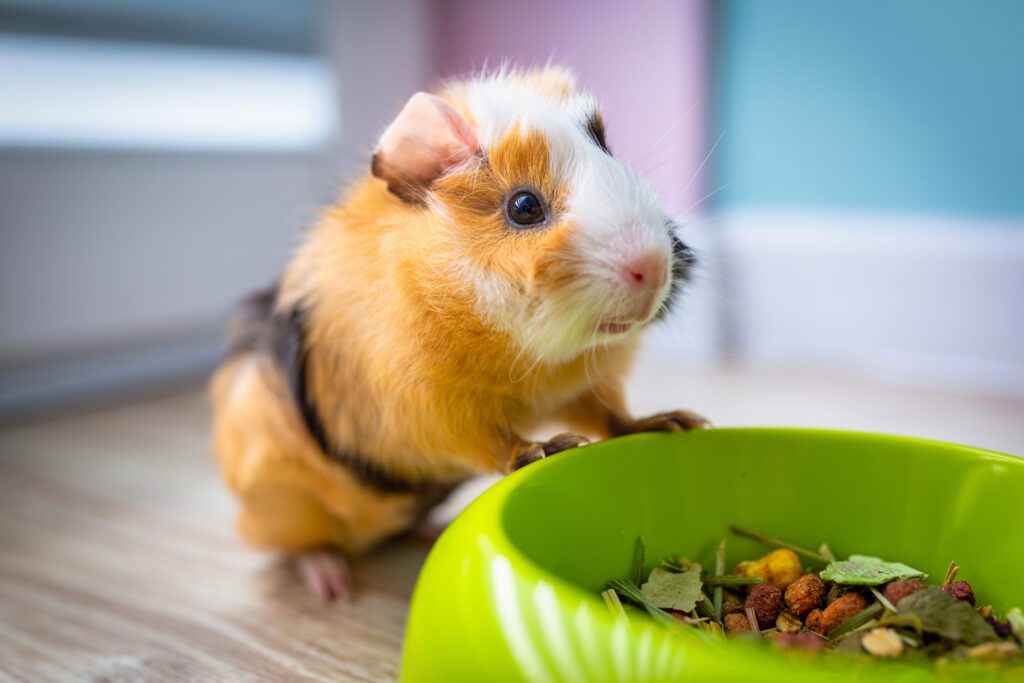
Guinea pigs cannot manufacture their own vitamin C, so they must obtain it every day from food. Without enough, they can develop scurvy, a condition that affects blood vessels, joints, gums, skin, wound healing, and, in severe cases, the cardiovascular system. Warning signs include reluctance to move, swollen joints, decreased appetite, weight loss, and bleeding.…
Read MoreWhy Is My Bird’s Beak Overgrowing
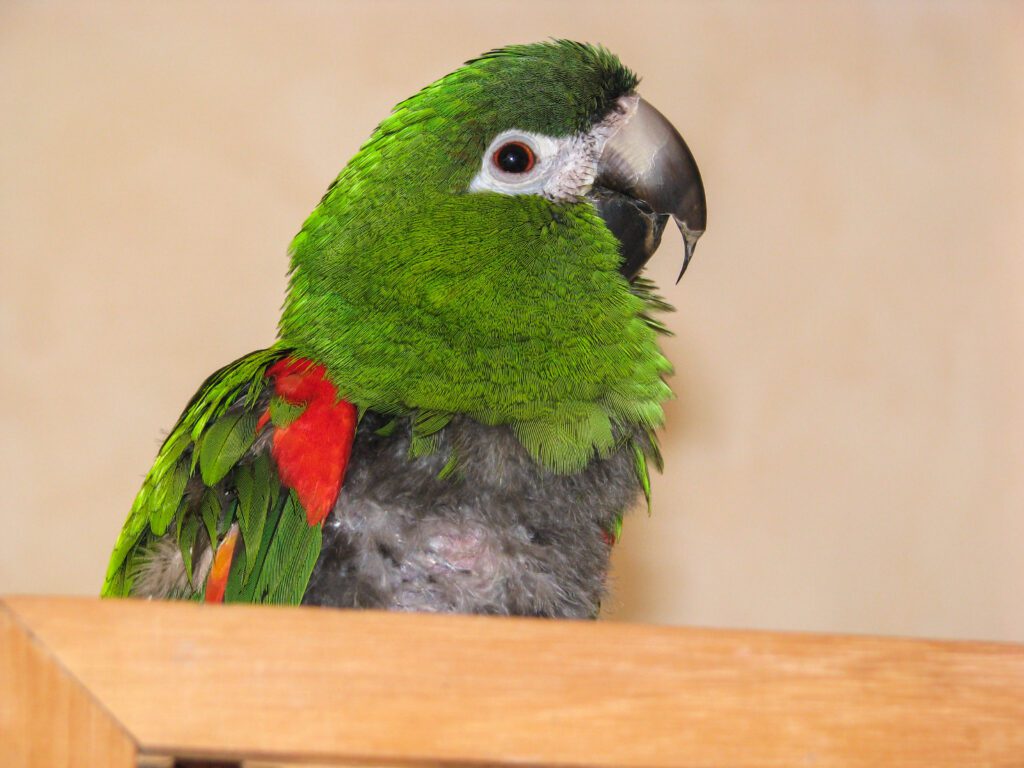
A healthy bird’s beak grows continuously throughout life, much like our fingernails. Under normal circumstances, daily eating, climbing, chewing, and playing naturally wear the beak down and keep it at the correct length and shape. When a beak becomes too long or begins to change shape, it is usually a sign that something is not…
Read MoreTransitioning Birds from Seed Diets to Pellets and Fresh Foods
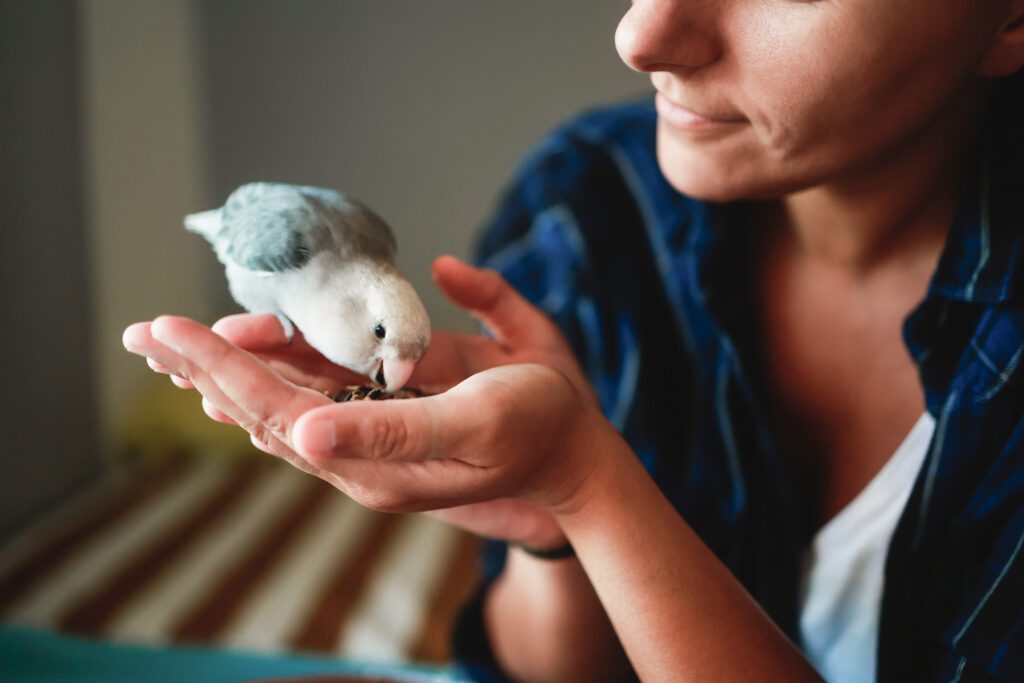
A healthy diet is one of the most important factors in your bird’s long-term health. Many companion birds are raised on seed diets, but seeds alone are nutritionally incomplete and can lead to obesity, vitamin deficiencies, liver disease, poor feather quality, and shortened lifespan. A balanced diet should include: High-quality pelleted food as the foundation…
Read MoreState Laboratory and NPIP Resources for Poultry Owners
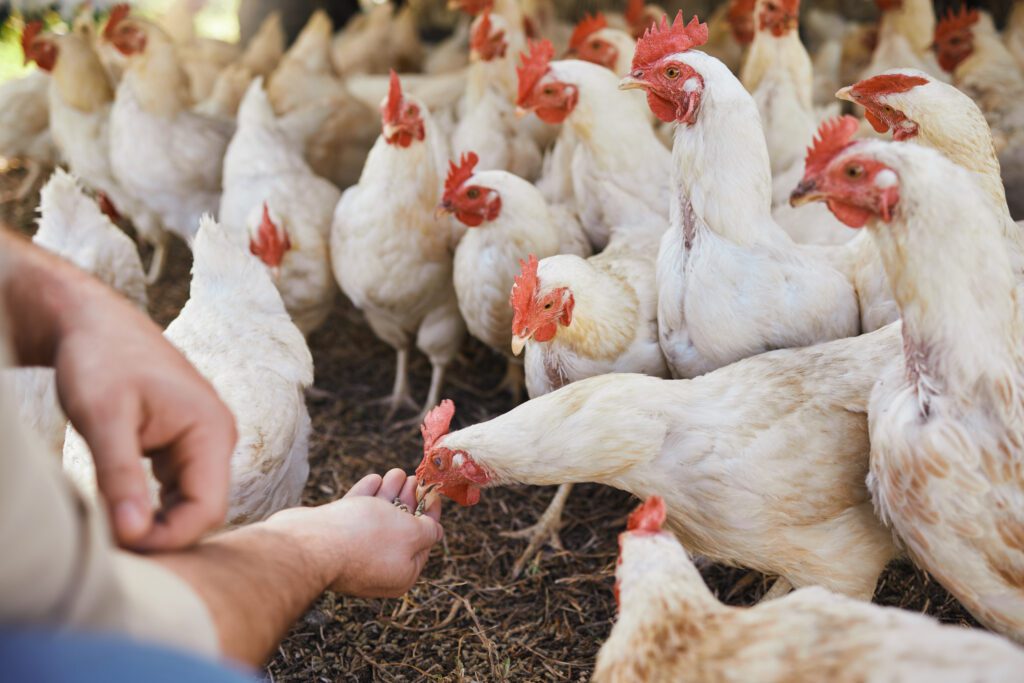
Early testing and proper reporting protect your flock, neighboring flocks, and public health. The resources below help you find trusted testing laboratories, state poultry officials, and disease control programs quickly if concerns arise. State Veterinary Diagnostic Laboratories Every U.S. state has a state-approved veterinary diagnostic laboratory that can test poultry samples for infectious, nutritional, parasitic,…
Read MoreScaly Leg Mite in Chickens
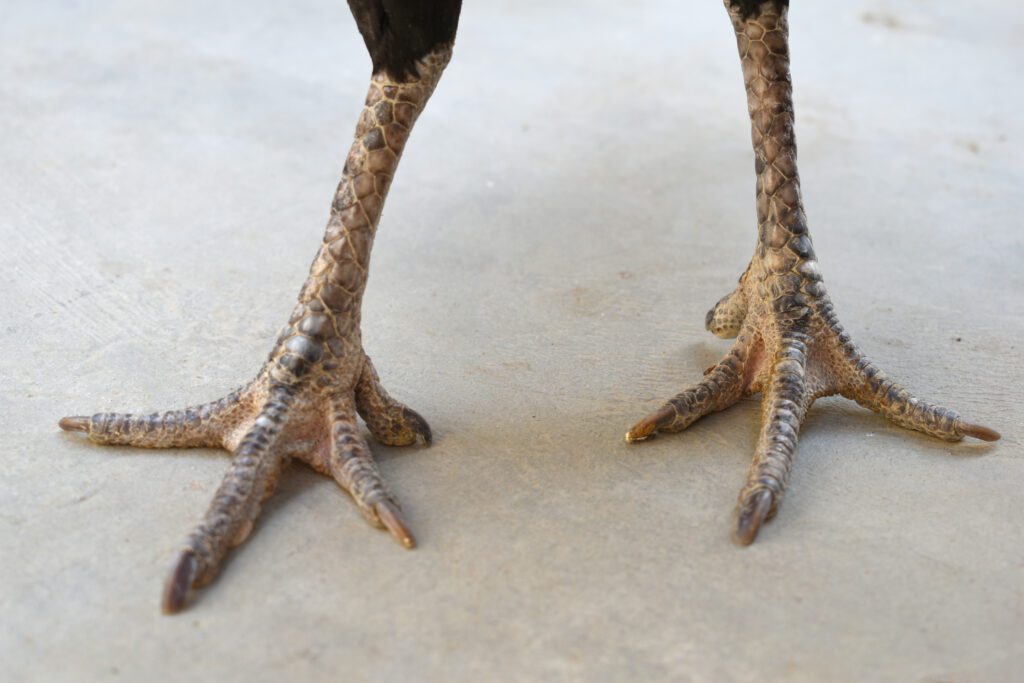
What Is Scaly Leg Mite? Scaly leg mite (Knemidocoptes) is a microscopic parasite that burrows underneath the scales of a chicken’s legs and feet. As the mites tunnel and reproduce, they cause irritation, inflammation, and abnormal scale growth. If left untreated, scaly leg mites can lead to pain, infection, deformity of the toes or feet,…
Read MoreBladder Sludge in Rabbits
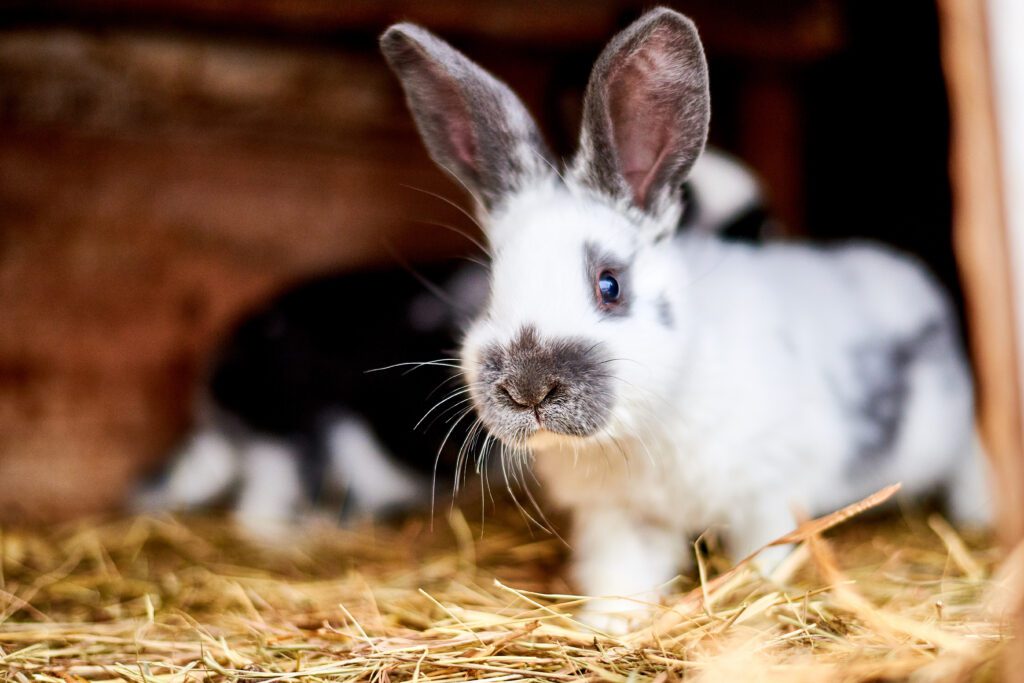
Bladder sludge is a fairly common condition that can affect rabbits of any age or breed. While it is often manageable, it can be difficult to cure completely and may recur. This handout explains what bladder sludge is, how it is diagnosed and treated, and what you can do at home to help prevent or…
Read MoreAbscesses in Rabbits
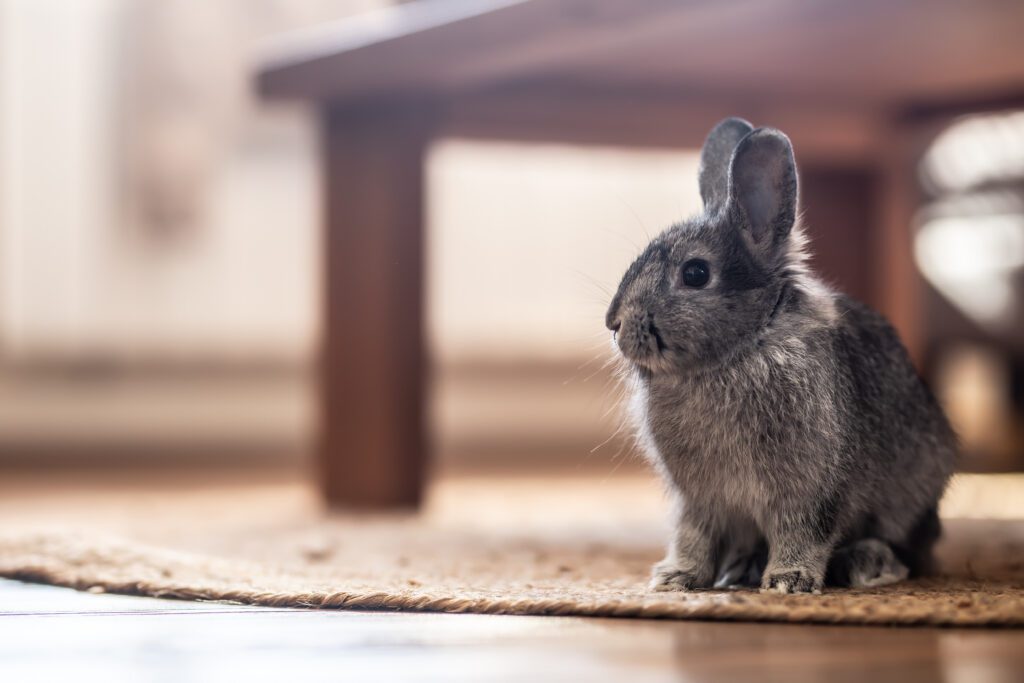
Abscesses are a common and often challenging medical problem in rabbits. They differ significantly from abscesses in dogs and cats and require specialized treatment. This handout explains why abscesses occur, how they are diagnosed, and the treatment options available. What Causes Abscesses in Rabbits? Many people associate rabbit abscesses with Pasteurella bacteria. Pasteurella can live…
Read MoreRabbit Hemorrhagic Disease
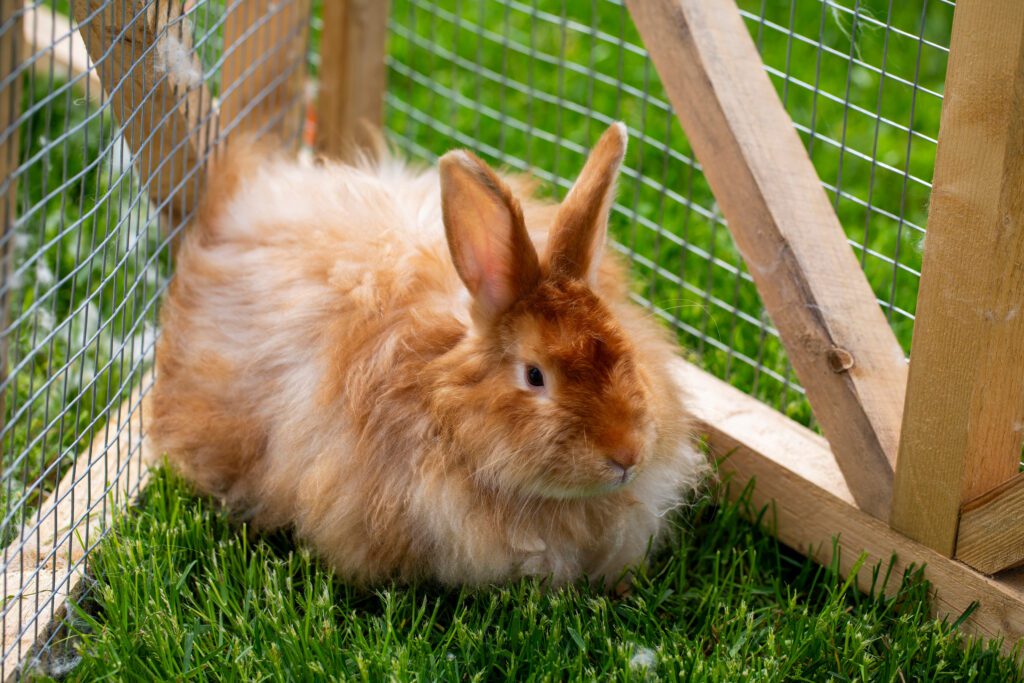
Rabbit Hemorrhagic Disease (RHD) is a highly contagious and often fatal viral disease that affects both domestic and wild rabbits. It is caused by Rabbit Hemorrhagic Disease Virus (RHDV). The virus spreads very easily through direct contact between rabbits, contact with bodily fluids such as urine, feces, or nasal secretions, and through contaminated objects including…
Read MoreMarek’s Disease in Chickens
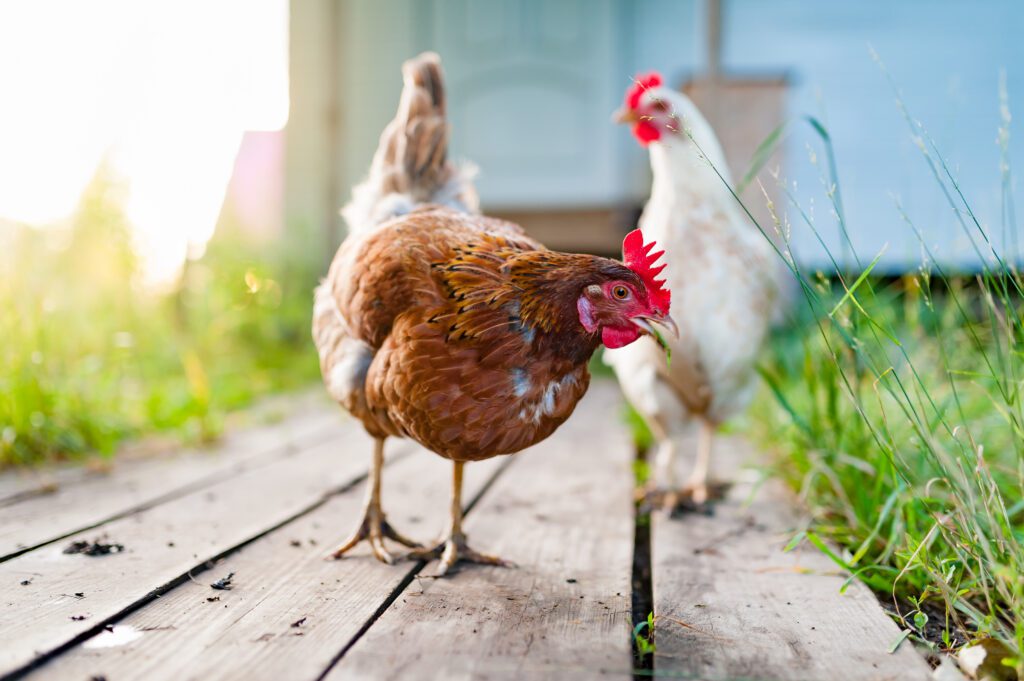
Marek’s is a highly contagious herpesvirus of chickens that spreads in feather dander and dust. Vaccination at hatch and strict biosecurity are the only effective prevention tools. There is no cure once a bird is clinically affected. What Is Marek’s Disease? Cause: Gallid herpesvirus 2 (Marek’s). It’s an oncogenic (tumor-forming) virus. Where it lives: Virus…
Read MoreManaging Reproductive Behaviors in Pet Birds
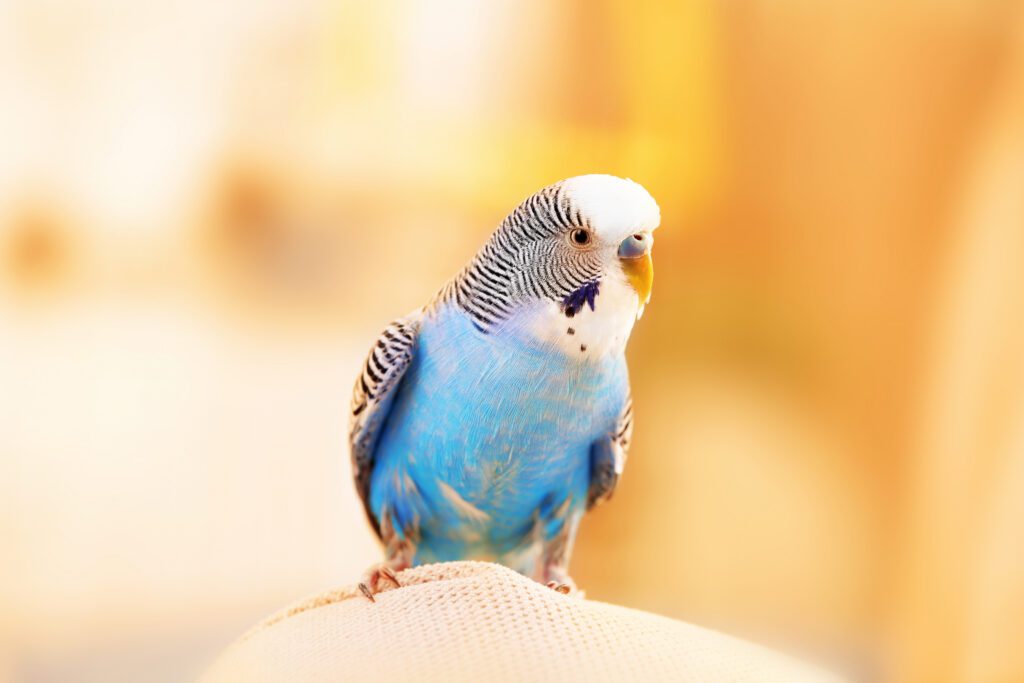
Egg laying is normal in female birds, but chronic laying is not. It raises the risk of egg binding, egg yolk peritonitis, cloacal prolapse, hypocalcemia, and pathologic fractures. The fix is multifactorial: environment, nutrition, behavior, and (when needed) medical/surgical care. What “normal” Egg Laying looks like Many species lay 2–3 clutches/year in the wild, with…
Read More