Posts by KateV
Dental Disease in Rabbits
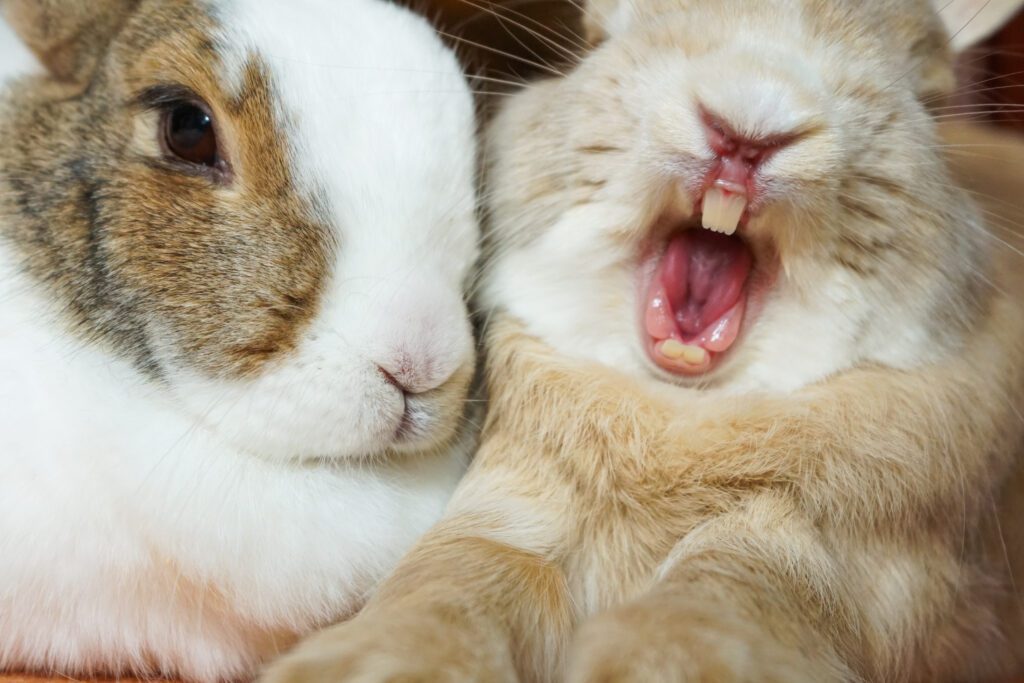
Dental disease is one of the most common medical problems in rabbits and is now recognized as the underlying cause of many other serious conditions. Understanding rabbit dental health is essential for both veterinarians and rabbit owners, as early detection greatly improves outcomes. Why Dental Disease is so Common in Rabbits Rabbits are herbivores designed…
Read MoreCommon Causes of Soft-Shelled Eggs in Chickens
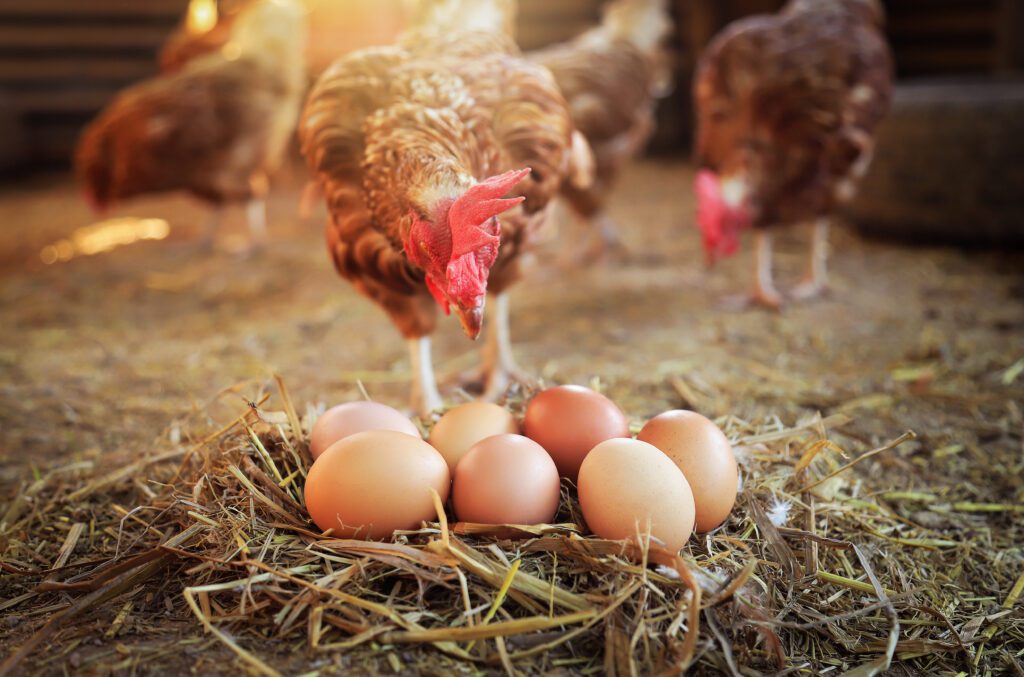
What are Soft-Shelled Eggs in Chickens Finding a soft-shelled or shell-less egg can be alarming, but in many cases the cause is manageable. Eggshell quality depends on nutrition, environment, and a hen’s overall health. Below are the most common reasons soft-shelled eggs occur and how to address them. Common Causes of Soft-Shelled Eggs 1. Not…
Read MoreChicken Lice Treatment and Home Care Guide
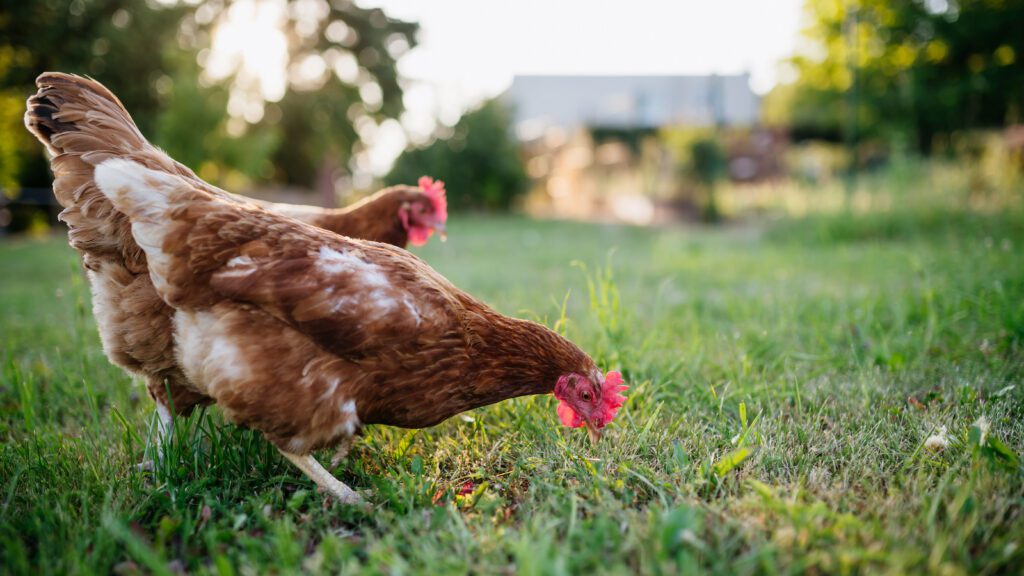
Your chicken has been diagnosed with lice, a common external parasite in backyard poultry. The good news is that lice are treatable and most birds recover quickly once treatment begins. Lice are small insects that live on the chicken’s skin and feathers. They feed on feather material and skin debris. While they are irritating for…
Read MoreBumblefoot (Pododermatitis) in Birds
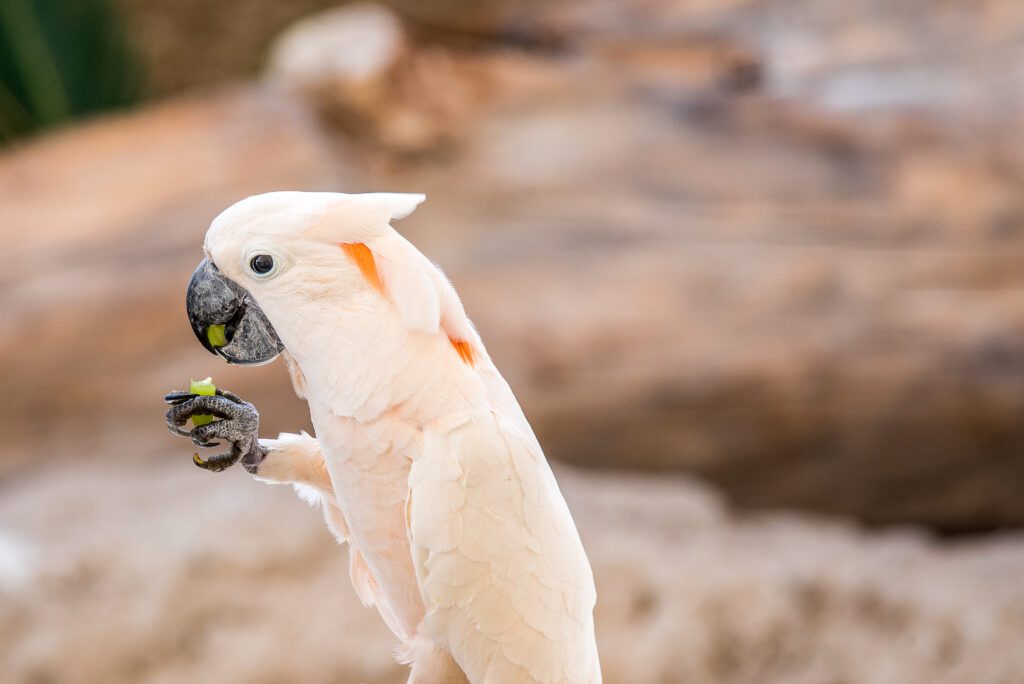
Bumblefoot is a pressure and infection problem of the feet. It starts with skin damage from improper perches, poor footing, excess weight, or inactivity and can progress to deep infection (arthritis/osteomyelitis). Early, systematic care works; late cases need surgery. What Species Get Bumblefoot? Common: poultry, raptors, waterfowl; can affect parrots and other perching birds. Higher…
Read MoreBrumation in Bearded Dragons
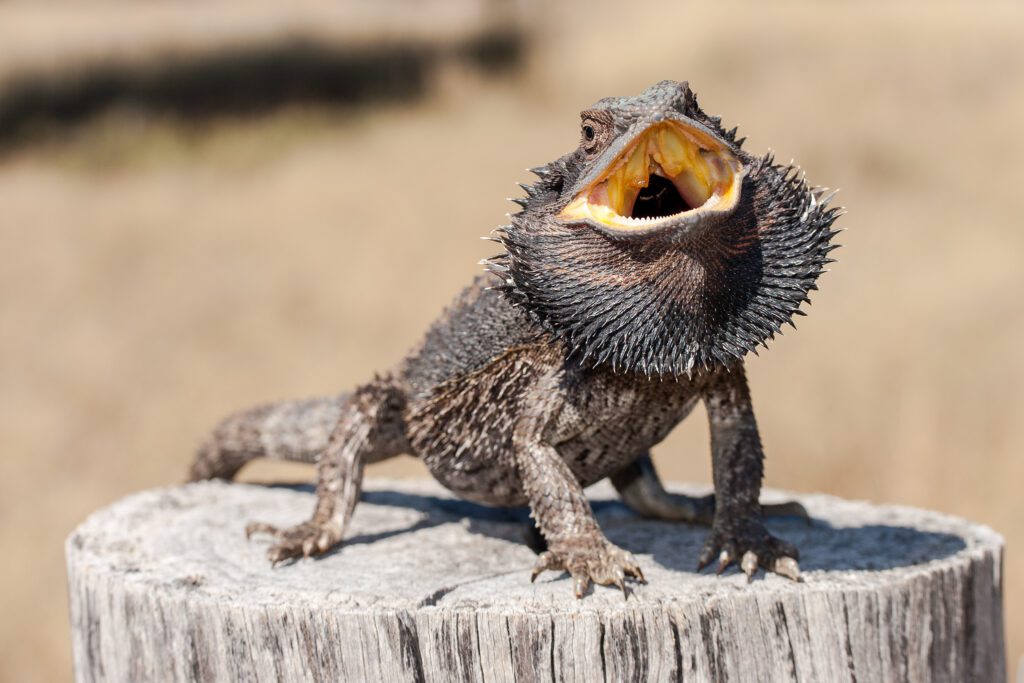
Bearded dragons (Pogona vitticeps) are native to the arid regions of Australia. In the wild, they experience seasonal changes in temperature and daylight. One normal response to these changes is brumation, a period of reduced activity similar to hibernation in mammals. Brumation can be surprising and even concerning to pet owners, especially the first time…
Read MoreBringing Your Pet Bird to the Veterinary Hospital
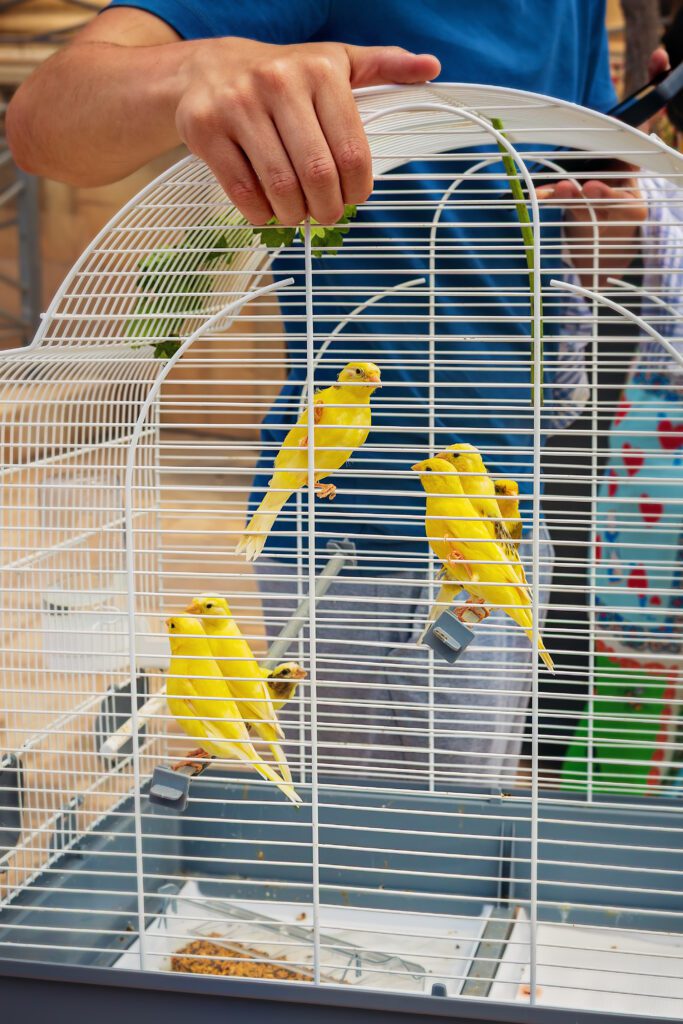
We follow AAHA standards that prioritize patient safety, gentle handling, and minimizing stress. Birds are especially sensitive to handling, temperature changes, and unfamiliar environments. With the right preparation, you can help make your bird’s visit safer and more comfortable. Preparing Your Bird for the Appointment Please do not offer food or water for two hours…
Read MoreAvian Wing Trims
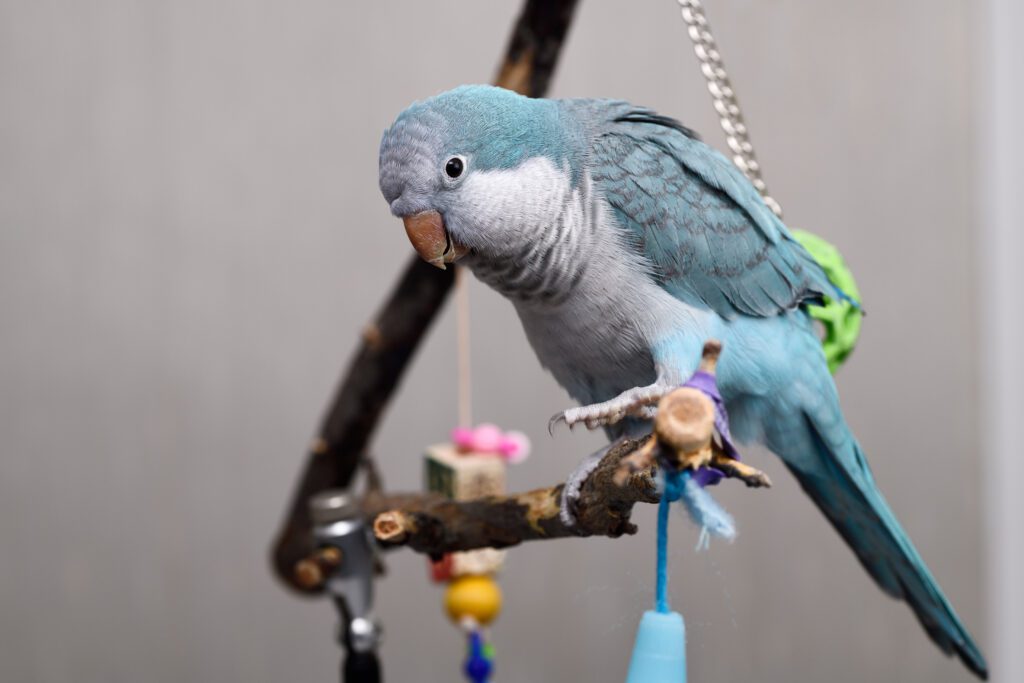
Wing trims are a management tool, not a default. The goal is controlled glide (no gain in altitude) while preserving balance, confidence, and the ability to land safely. Over‑trimming causes injuries and behavior problems. Whenever possible, pair trims with training and environmental safety. When Does a Bird Need a Wing Trim? Consider a trim if…
Read MoreAvian Influenza (Bird Flu) in Poultry
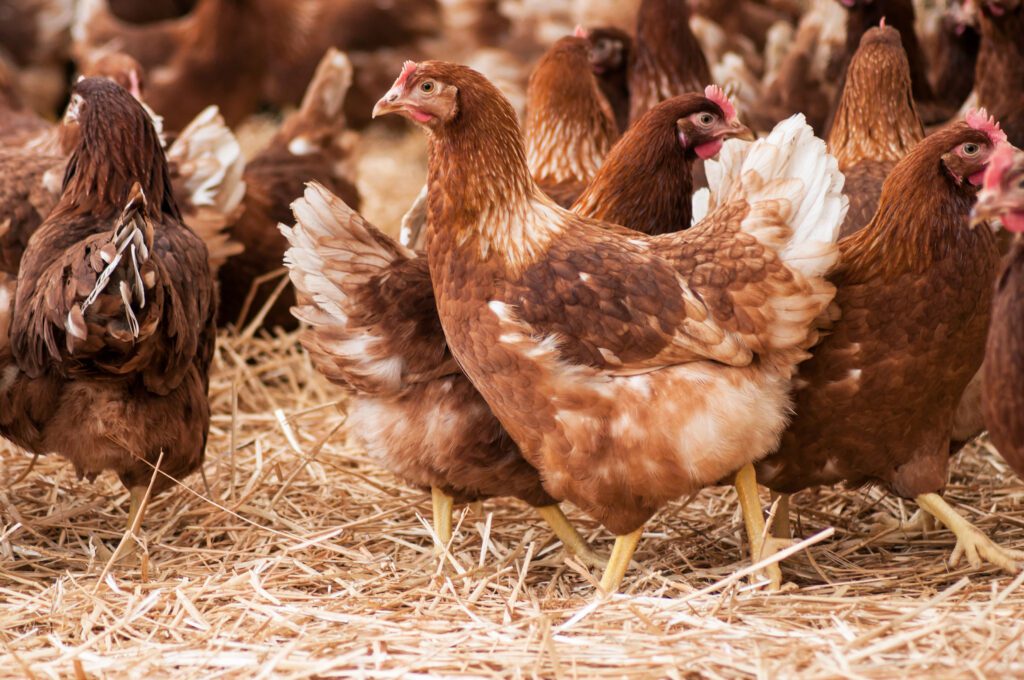
– 2025 Update – Bird flu (influenza A) is a contagious respiratory disease of birds. It spreads in bird secretions and contaminated dust. There is no at‑home treatment; suspected cases must be reported immediately. Your best defenses are everyday biosecurity and fast reporting. What Is Avian Influenza Cause: Influenza A viruses that infect birds (waterfowl…
Read MoreAvian Bornavirus (ABV) and PDD in Pet Birds
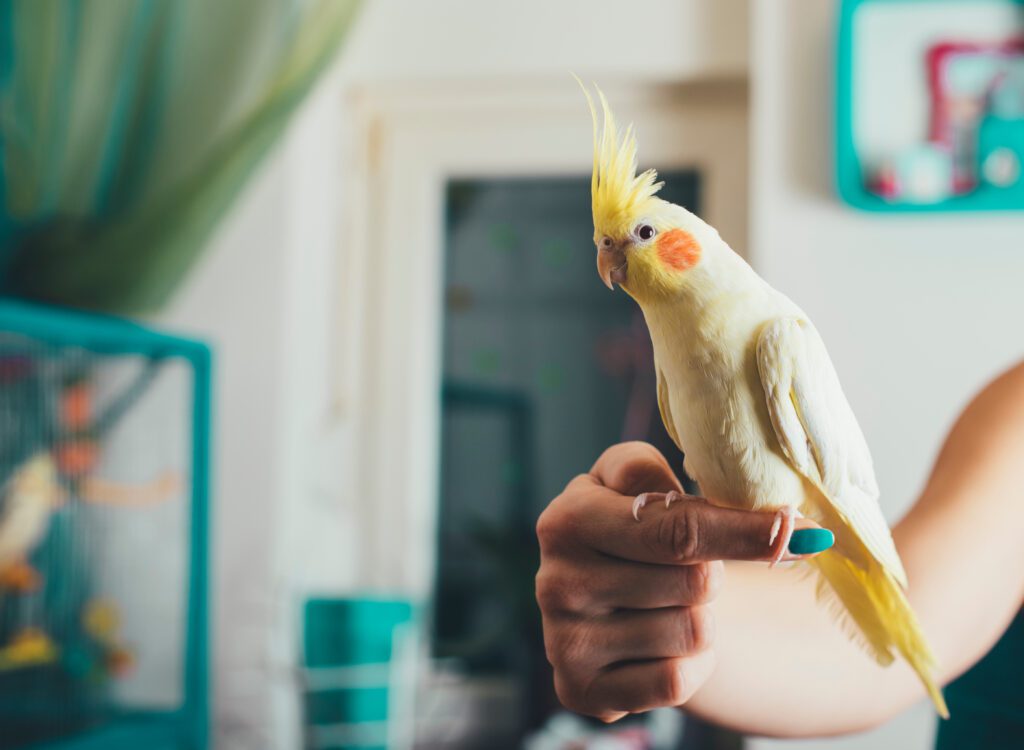
What Is Avian Bornavirus? Avian Bornavirus (ABV) is a group of RNA viruses that can infect many bird species, especially parrots and other psittacines. ABV has been identified worldwide and is best known for its association with Proventricular Dilatation Disease (PDD)—also called neuropathic ganglioneuritis or avian ganglioneuritis. PDD is a chronic inflammatory disease that can…
Read More