Exotics
Ileus (Gastrointestinal Stasis) in Rabbits
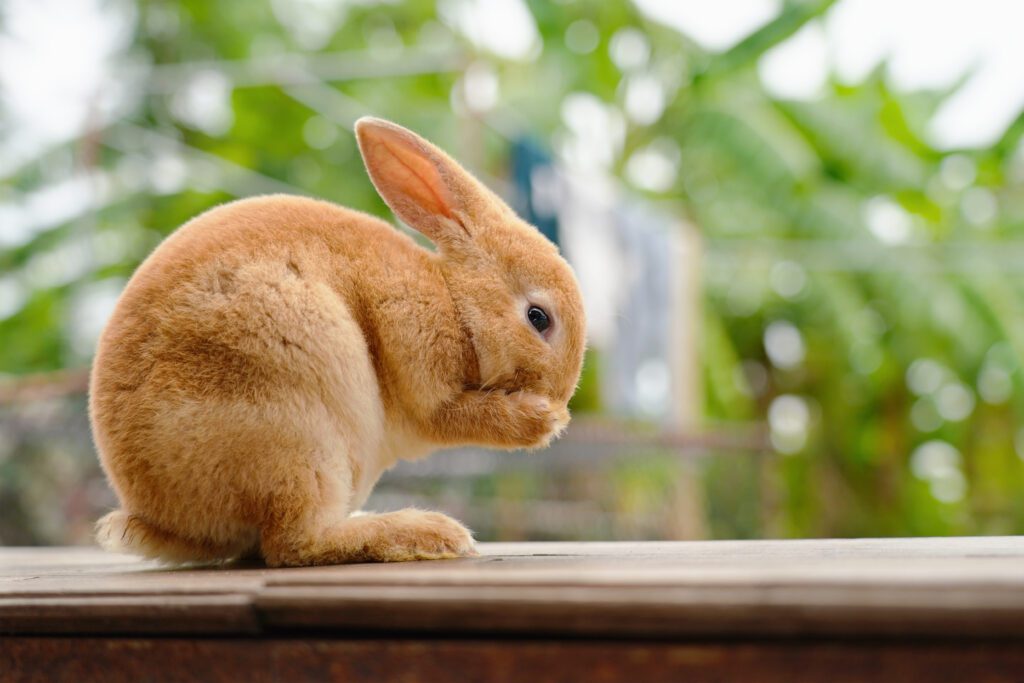
Ileus, also called gastrointestinal (GI) stasis, is one of the most common and serious medical problems seen in pet rabbits. Under normal conditions, coordinated muscle contractions move food through the digestive tract. When these contractions slow or stop, ileus occurs. What is Ileus in Rabbits? Ileus is not a disease itself. It is a sign…
Read MoreHeavy Metal Poisoning in Backyard Chickens
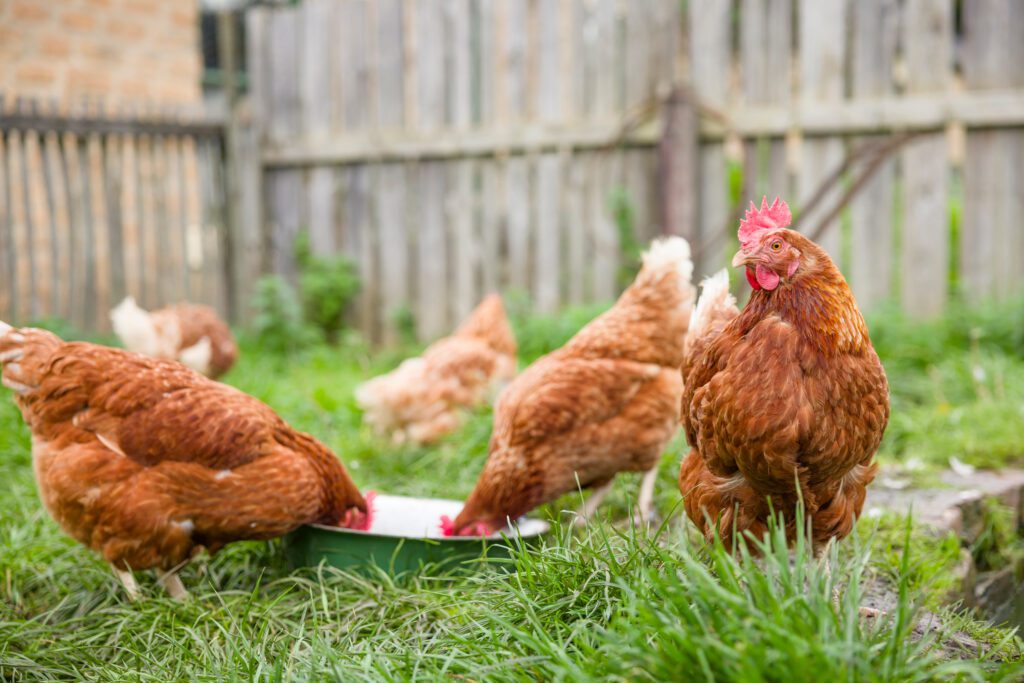
Heavy metal poisoning is an uncommon but potentially life-threatening condition in backyard chickens. Chickens are naturally curious foragers that scratch and peck at the ground all day, making them more likely to ingest harmful metals hidden in soil or other objects. The two metals of greatest concern are lead and zinc, with lead poisoning being…
Read MoreHead Tilt in Rabbits
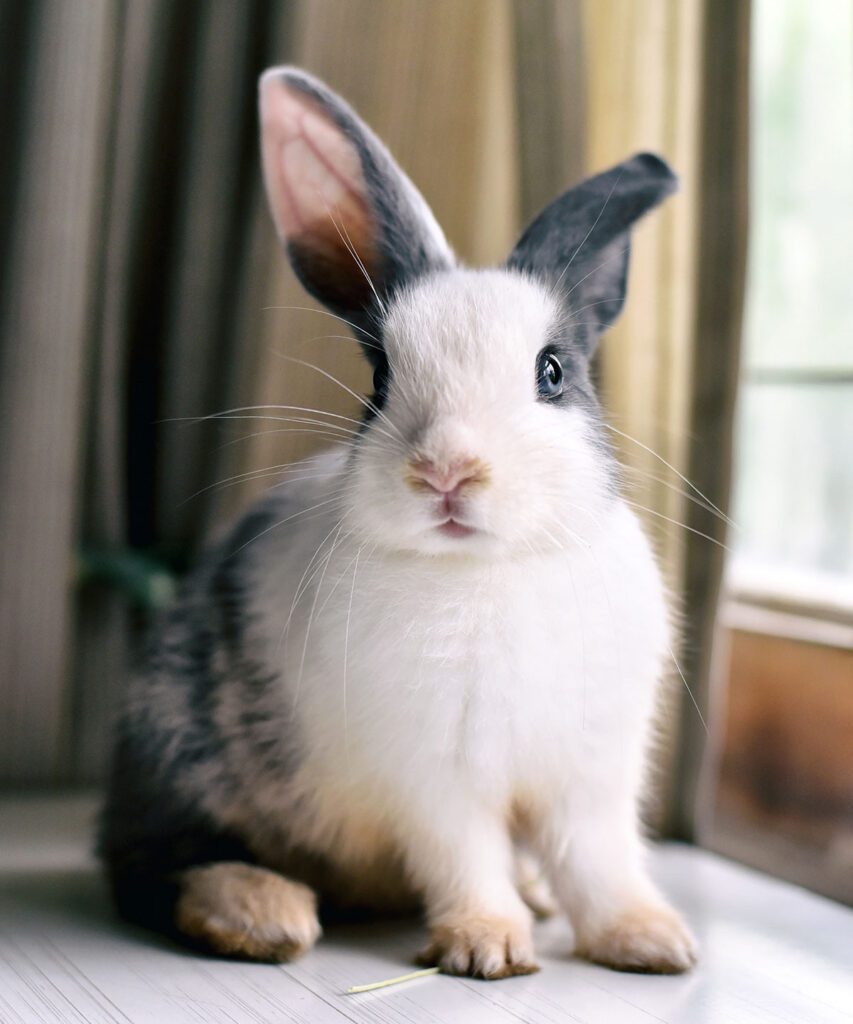
Head tilt in rabbits, also called torticollis or wry neck, is a sign of vestibular disease. The vestibular system is the part of the nervous system responsible for balance and coordination. When this system is affected, rabbits may lose their sense of orientation and balance. Head tilt can range from subtle to severe. In some…
Read MoreGiving Medication to Rabbits
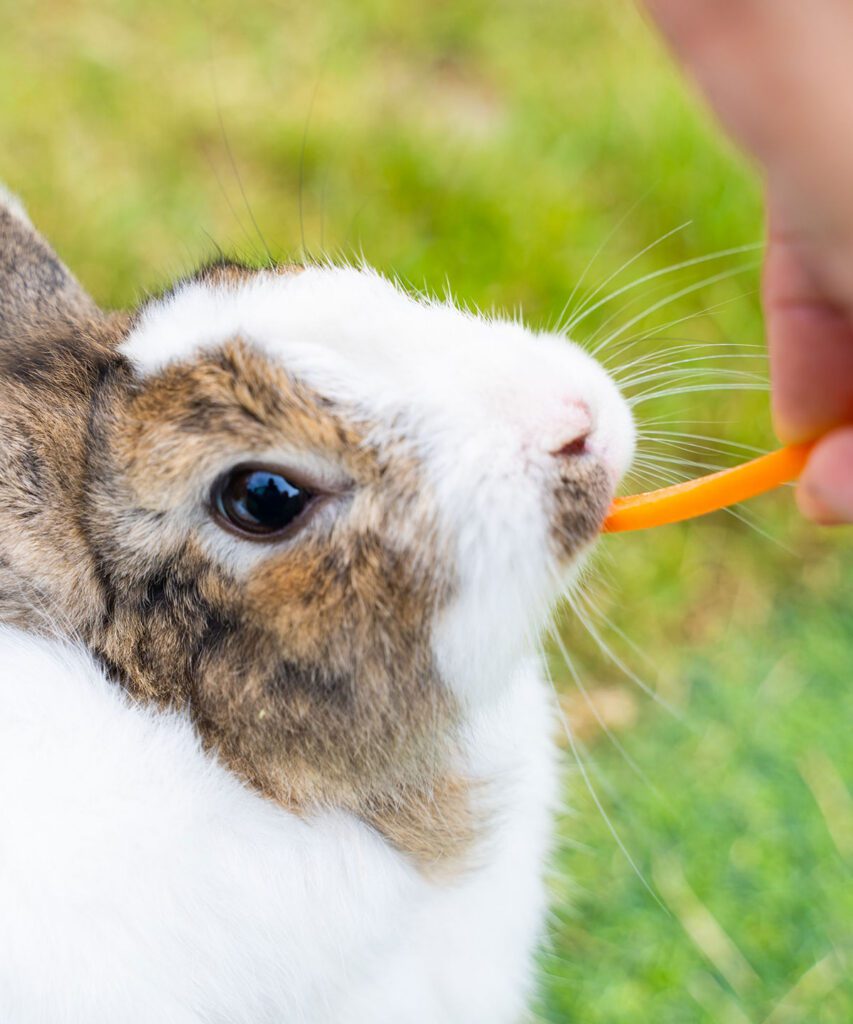
Your veterinarian or a veterinary technician will usually demonstrate how to give oral medications, apply eye or ear treatments, or syringe feed your rabbit. However, many rabbits that are calm in the clinic can be surprisingly resistant at home. This article provides practical tips to help make medicating your rabbit safer, easier, and less stressful…
Read MoreVaccines and Vaccine Reactions in Ferrets
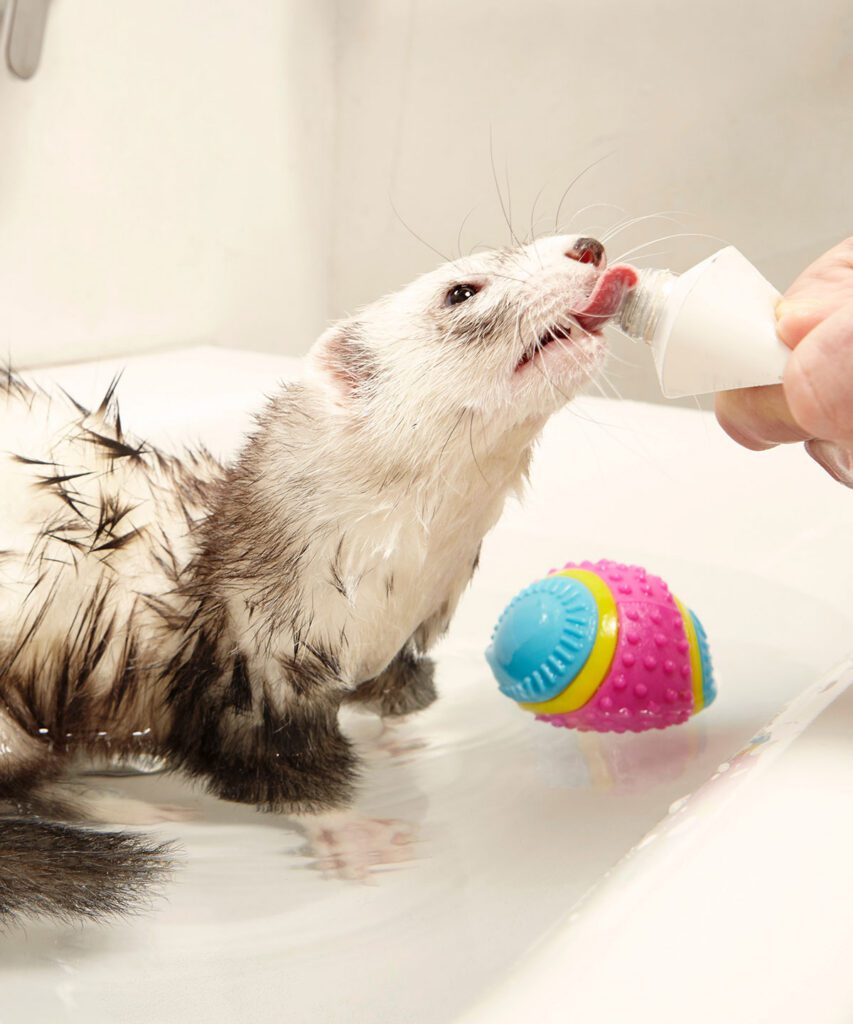
Why Vaccines Matter in Ferrets Vaccination is a critical part of preventive care for ferrets. Two viral diseases—canine distemper and rabies—are both fatal, and one of them poses a direct risk to people. Because ferrets are more prone to vaccine reactions than dogs and cats, vaccines must be given thoughtfully, safely, and under veterinary supervision.…
Read MoreFerret Insulinoma
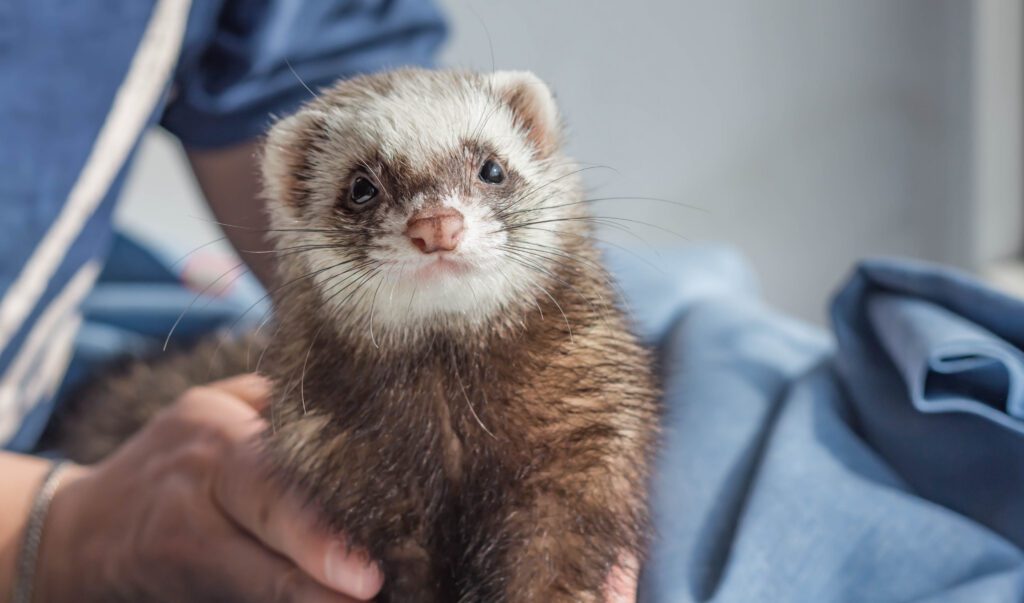
What is Insulinoma in Ferrets? Insulinoma is one of the most common diseases of middle-aged to older ferrets. It is caused by an abnormal growth (tumor) of the pancreas, specifically the insulin-producing beta cells. These tumors release excess insulin, which causes the ferret’s blood glucose (blood sugar) levels to drop too low. Blood sugar is…
Read MoreHeartworm Disease in Ferrets
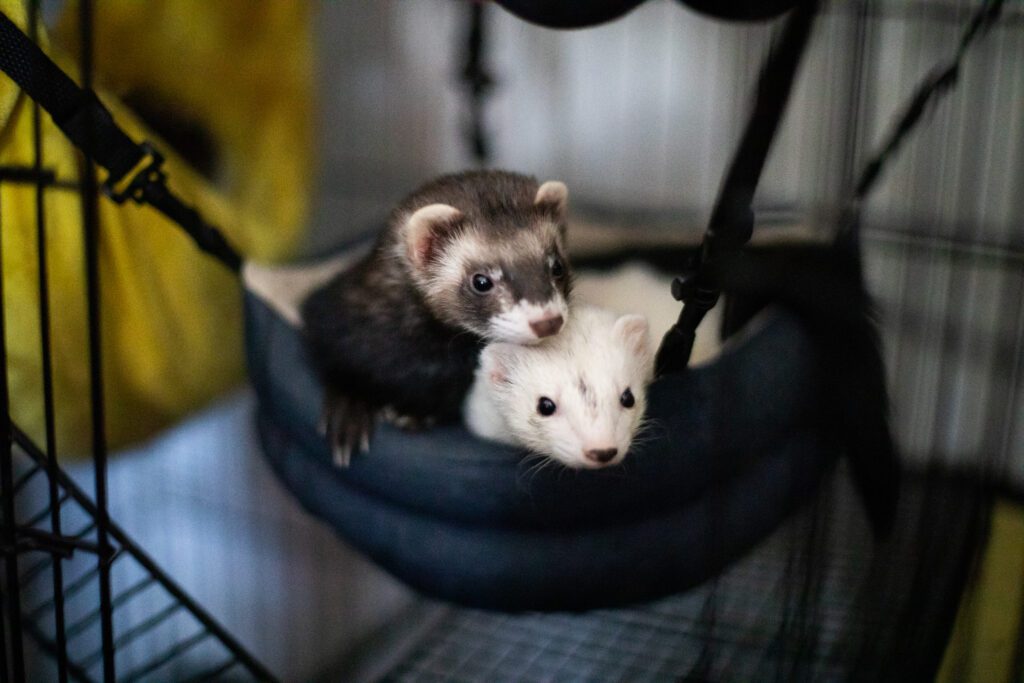
What is Heartworm Disease in Ferrets? Heartworm disease is a serious and potentially fatal parasitic infection transmitted by mosquitoes. It affects dogs, cats, ferrets, and wildlife. Although less common in ferrets than in dogs, heartworm disease is especially dangerous in ferrets. Even a very small number of worms—as few as one to two adult heartworms—can…
Read MoreFerret Adrenal Disease

What is Adrenal Disease in Ferrets Ferret adrenal disease, also called hyperadrenocorticism, is one of the most common medical conditions affecting pet ferrets. In the United States, up to 70 percent of ferrets develop adrenal disease during their lifetime. The adrenal glands are two small organs located near the kidneys. They normally produce hormones that…
Read MoreFeather Destructive Behavior (Feather Picking)
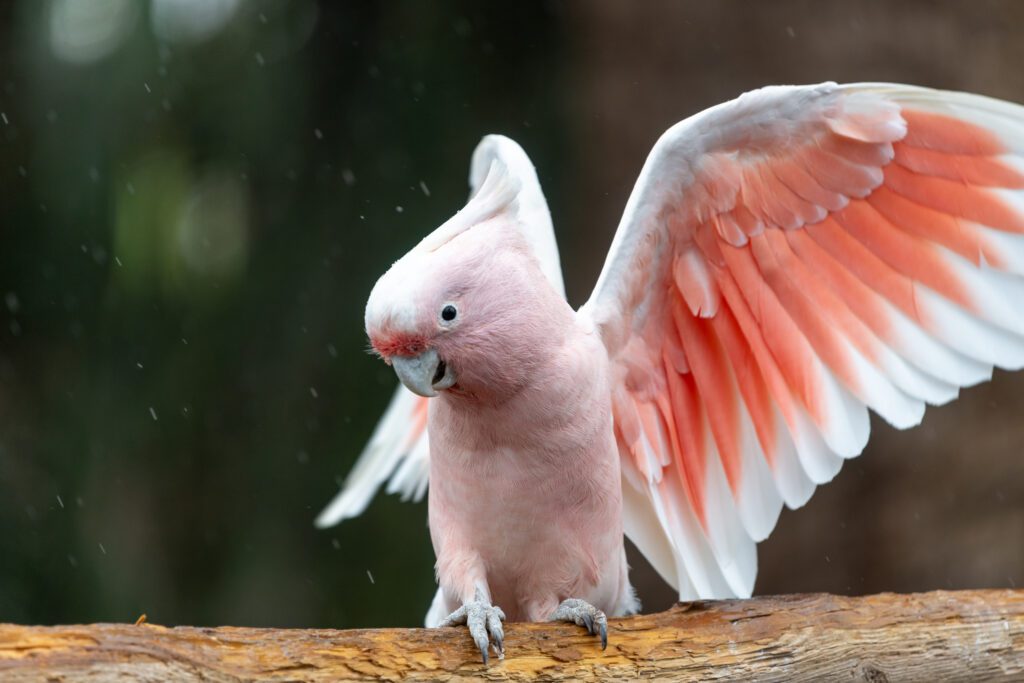
Feather picking is a sign, not a diagnosis. Medical problems, pain, hormones, environment, and behavior can all contribute—often more than one at the same time. Early work-up + a structured care plan gives the best chance of improvement. What is Feather Picking in Birds? Seen almost exclusively in captive birds; wild birds do not normally…
Read MoreEgg Yolk Peritonitis in Chickens
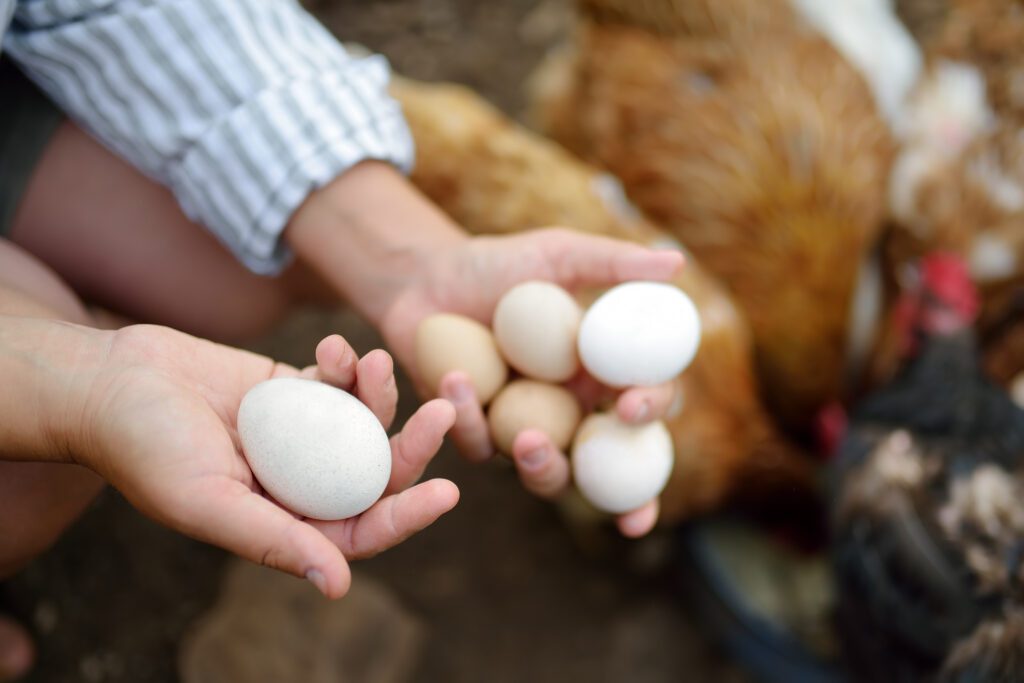
What Is Egg Yolk Peritonitis? Egg yolk peritonitis (EYP) is a common and potentially serious condition in laying hens. It occurs when egg yolk material ends up inside the abdominal cavity instead of traveling normally through the reproductive tract. Egg yolk outside the oviduct acts like a foreign substance, triggering inflammation and often bacterial infection…
Read More