Uncategorized
Common Causes of Soft-Shelled Eggs in Chickens
What They Mean and What You Can Do Finding a soft-shelled or shell-less egg can be alarming, but in many cases the cause is manageable. Eggshell quality depends on nutrition, environment, and a hen’s overall health. Below are the most common reasons soft-shelled eggs occur and how to address them. Common Causes of Soft-Shelled Eggs…
Read MoreChicken Lice Treatment and Home Care Guide
Your chicken has been diagnosed with lice, a common external parasite in backyard poultry. The good news is that lice are treatable and most birds recover quickly once treatment begins. Lice are small insects that live on the chicken’s skin and feathers. They feed on feather material and skin debris. While they are irritating for…
Read MoreBumblefoot (Pododermatitis) in Birds
Bumblefoot is a pressure and infection problem of the feet. It starts with skin damage from improper perches, poor footing, excess weight, or inactivity and can progress to deep infection (arthritis/osteomyelitis). Early, systematic care works; late cases need surgery. Who gets it? Common: poultry, raptors, waterfowl; can affect parrots and other perching birds. Higher risk:…
Read MoreBrumation in Bearded Dragons
Bearded dragons (Pogona vitticeps) are native to the arid regions of Australia. In the wild, they experience seasonal changes in temperature and daylight. One normal response to these changes is brumation, a period of reduced activity similar to hibernation in mammals. Brumation can be surprising and even concerning to pet owners, especially the first time…
Read MoreBringing Your Pet Bird to the Veterinary Hospital
We follow AAHA standards that prioritize patient safety, gentle handling, and minimizing stress. Birds are especially sensitive to handling, temperature changes, and unfamiliar environments. With the right preparation, you can help make your bird’s visit safer and more comfortable. Preparing Your Bird for the Appointment Please do not offer food or water for two hours…
Read MoreAvian Wing Trims
Wing trims are a management tool, not a default. The goal is controlled glide (no gain in altitude) while preserving balance, confidence, and the ability to land safely. Over‑trimming causes injuries and behavior problems. Whenever possible, pair trims with training and environmental safety. Should my bird be trimmed? Consider a trim if any of the…
Read MoreAvian Influenza (Bird Flu) in Poultry
– 2025 Update – Bird flu (influenza A) is a contagious respiratory disease of birds. It spreads in bird secretions and contaminated dust. There is no at‑home treatment; suspected cases must be reported immediately. Your best defenses are everyday biosecurity and fast reporting. What it is Cause: Influenza A viruses that infect birds (waterfowl and…
Read MoreAvian Bornavirus (ABV) and PDD in Pet Birds
What Is Avian Bornavirus? Avian Bornavirus (ABV) is a group of RNA viruses that can infect many bird species, especially parrots and other psittacines. ABV has been identified worldwide and is best known for its association with Proventricular Dilatation Disease (PDD)—also called neuropathic ganglioneuritis or avian ganglioneuritis. PDD is a chronic inflammatory disease that can…
Read MoreLasers and Pets!
The latest and greatest pain relief for pets are LASERS! Class IV Therapy Lasers reduce pain and inflammation caused by a variety of issues. Lasers are used to treat arthritis, hot spots, anal gland problems, lick granulomas, non-healing wounds, strains, sprains, aid in fracture healing, bladder inflammation, ear infections, and back and neck problems. Theses are…
Read MoreYour Pet and Preventatives
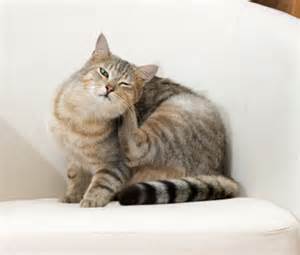
Why is heartworm prevention so important? Heartworm disease in dogs, cats and ferrets is very serious business. It is so much easier (and cheaper) to prevent heartworm disease than it is to treat it AND heartworm d>isease can cause heart failure, chronic asthma and sometimes death. Heartworm is an actual worm that grows in the…
Read More